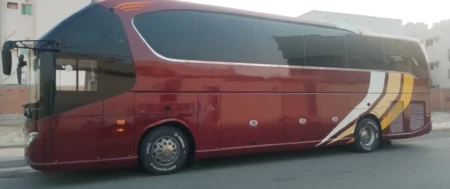
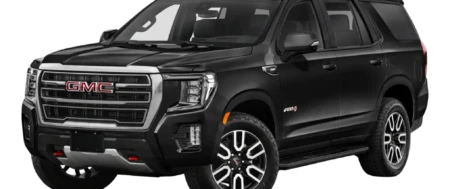
For pilgrims traveling together for Umrah, transportation is more than a logistical detail — it shapes the comfort and ease of a spiritually significant journey. Whether you’re organizing travel for a family, a mosque community group, or a larger tour party, choosing the right bus matters. Here’s what to consider.
Understand the Route Before Choosing a Vehicle
Umrah group travel typically involves one or more of these legs:
- Airport (Jeddah or Madinah) to hotel in Makkah or Madinah
- Makkah to Madinah (or the reverse) — a longer intercity journey
- Local transport between hotel and the Haram during the stay
Each leg has different demands. A short hotel-to-Haram shuttle prioritizes frequent, easy boarding, while the Makkah–Madinah route (roughly 450 km) prioritizes comfort for a multi-hour drive.
Matching Bus Size to Group Type
- Family groups (up to 14 people): a minibus offers flexibility for smaller parties without paying for unused seats.
- Community or mosque groups (20–35 people): a mid-size coach balances cost and comfort for groups traveling together throughout the trip.
- Large tour groups (40+ people): a full-size luxury coach is more cost-efficient per person and keeps the group together for coordinated prayer timings.
What Matters Most for Comfort on Longer Routes
For the Makkah–Madinah leg especially, look for:
- Reclining seats — several hours of travel is more manageable with proper seat comfort, particularly for elderly pilgrims.
- Reliable air conditioning — non-negotiable given the climate.
- Onboard restroom access or well-planned rest stops — especially important for groups with children or elderly members.
- Luggage capacity — Umrah trips often involve more luggage per person than typical travel, including items for family back home.
Timing Around Prayer and Ritual Schedules
A bus provider experienced with Umrah groups will build schedules around prayer times rather than fitting prayer around a rigid transport timetable. When booking, ask whether the driver and company are familiar with:
- Adjusting departure times around prayer windows
- Routes and drop-off points close to Haram entrances
- Peak season timing (Ramadan, Hajj season) when road traffic and crowd management differ significantly
Questions to Ask Before Booking
- Does the driver have experience specifically with Umrah group transport?
- Is the vehicle equipped for a multi-hour intercity trip, not just short local transfers?
- What’s the policy for group size changes if some pilgrims join or leave the group later?
- Are drop-off points close to the Haram, or will additional walking be required?
- Is pricing per person or a flat group rate?
Final Thoughts
Umrah travel logistics can either fade into the background of a meaningful trip or become a source of unnecessary stress — the difference usually comes down to choosing the right vehicle and a provider who understands the specific needs of pilgrim groups. Booking ahead, especially during Ramadan or peak season, gives you the best chance of securing the right bus size and a driver experienced with these routes.
Organizing transport for an Umrah group? Request a quote from Zeki Bus for Jeddah/Madinah airport transfers and Makkah–Madinah intercity travel.